



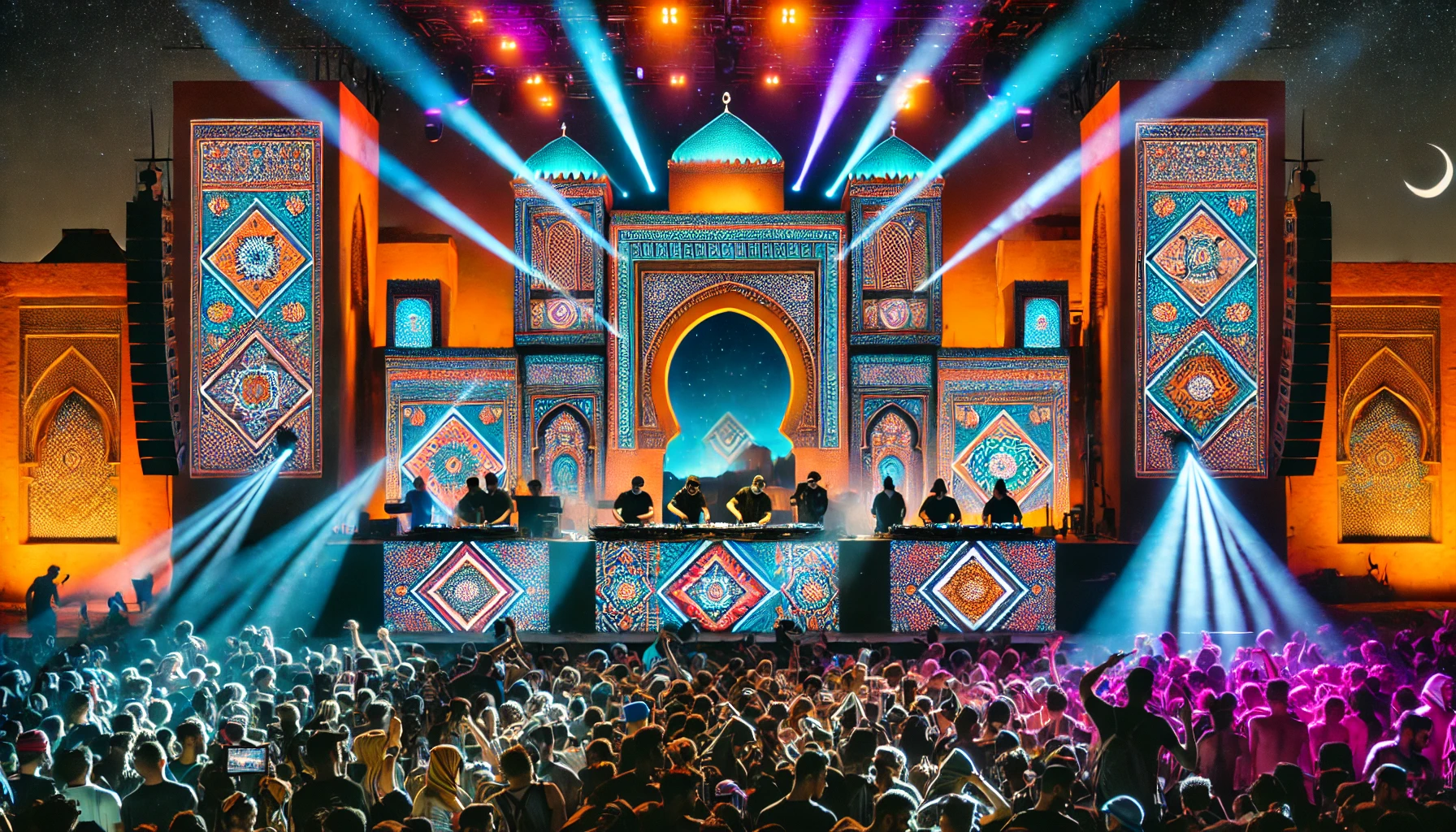
The Evolution of House Music in Morocco
Origins and Early Influences
The history of house music in Morocco is a fascinating journey that blends local cultural elements with global musical trends. While house music originated in Chicago in the 1980s, it gradually made its way to Morocco, where it took on a unique character influenced by the country’s rich musical heritage. Moroccan music is steeped in tradition, with genres like Gnawa, Andalusian, and Chaabi forming the backbone of its sound. As globalization connected Morocco to the international music scene, house music found fertile ground to evolve in this diverse musical landscape.
The introduction of house music in Morocco can be traced back to the late 1990s and early 2000s when DJs and electronic music enthusiasts started experimenting with blending traditional Moroccan rhythms with the steady beats of house. The scene was largely underground at first, thriving in private gatherings, small clubs, and exclusive parties in major cities like Casablanca, Marrakech, and Rabat. These events provided a space for artists to explore and create a fusion of electronic beats and Moroccan sounds, giving rise to a new kind of house music that was distinctly local.
Rise of the Club Scene
The Moroccan house music scene began to gain momentum in the early 2000s as the club culture in cities like Marrakech and Casablanca started to expand. Venues such as Pacha Marrakech and later on smaller but influential clubs became central to the development of electronic music in Morocco. These clubs not only hosted local DJs but also attracted international artists, creating a melting pot of sounds and styles that helped to elevate house music in the country.
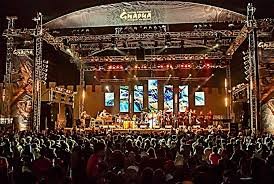
During this time, festivals like the Oasis Festival in Marrakech began to emerge, showcasing both local and international talent. These events were crucial in putting Moroccan house music on the map, drawing in crowds from all over the world and giving local artists a platform to reach wider audiences. The blend of Moroccan hospitality, culture, and music created a unique atmosphere that distinguished the Moroccan house scene from other electronic music scenes around the world.
Fusion of Traditional and Modern Sounds
One of the most remarkable aspects of Moroccan house music is its ability to incorporate traditional sounds into modern beats. Artists and producers in Morocco have been known to infuse their tracks with elements of Gnawa rhythms, Berber chants, and Arabic melodies, creating a sound that is both innovative and deeply rooted in Moroccan culture. This fusion not only appeals to local audiences but also resonates with international listeners who are drawn to its exotic and hypnotic qualities.
Producers like Amine K, who is often regarded as the face of Moroccan house music, have played a significant role in this evolution. Amine K and other Moroccan DJs have made a name for themselves by blending house and techno beats with traditional Moroccan instruments, creating a sound that is uniquely their own. This approach has helped them carve out a niche in the global electronic music scene, representing Morocco on international stages and bringing a touch of Moroccan soul to house music.
House Music in Modern Morocco
Today, house music is an integral part of the Moroccan music scene, thriving both in mainstream culture and underground communities. The growth of music festivals such as MOGA Festival in Essaouira and Atlas Electronic in Marrakech has further cemented Morocco’s reputation as a hub for electronic and house music in North Africa. These festivals not only celebrate the diversity of house music but also highlight Morocco’s cultural influence in the global music landscape.
Moroccan house music continues to evolve, embracing new technologies and digital platforms to reach global audiences. The internet has played a vital role in connecting Moroccan artists with the international house community, allowing for collaborations that bridge geographical and cultural divides. Through social media, streaming services, and online radio stations, Moroccan house artists can now share their music with fans all over the world, ensuring that the pulse of Moroccan house beats on.
The Future of Moroccan House Music
The future of house music in Morocco looks bright, with a new generation of festivals themes such as RAVE CLUB MOROCCO Festival and new artists continuing to push the boundaries and redefine what it means to blend traditional Moroccan sounds with electronic music. As more local talent gains recognition on the global stage, there is a growing sense of pride in the Moroccan house scene and its unique contributions to the world of electronic music.
The Moroccan house scene is a testament to the power of cultural fusion and innovation. It stands as a vibrant example of how global genres can be adapted and transformed to reflect local traditions, creating something entirely new and captivating. As it continues to grow and evolve, Moroccan house music promises to remain a dynamic force in both the local and international music scenes, celebrating the best of both worlds.