




The Birth of House Music
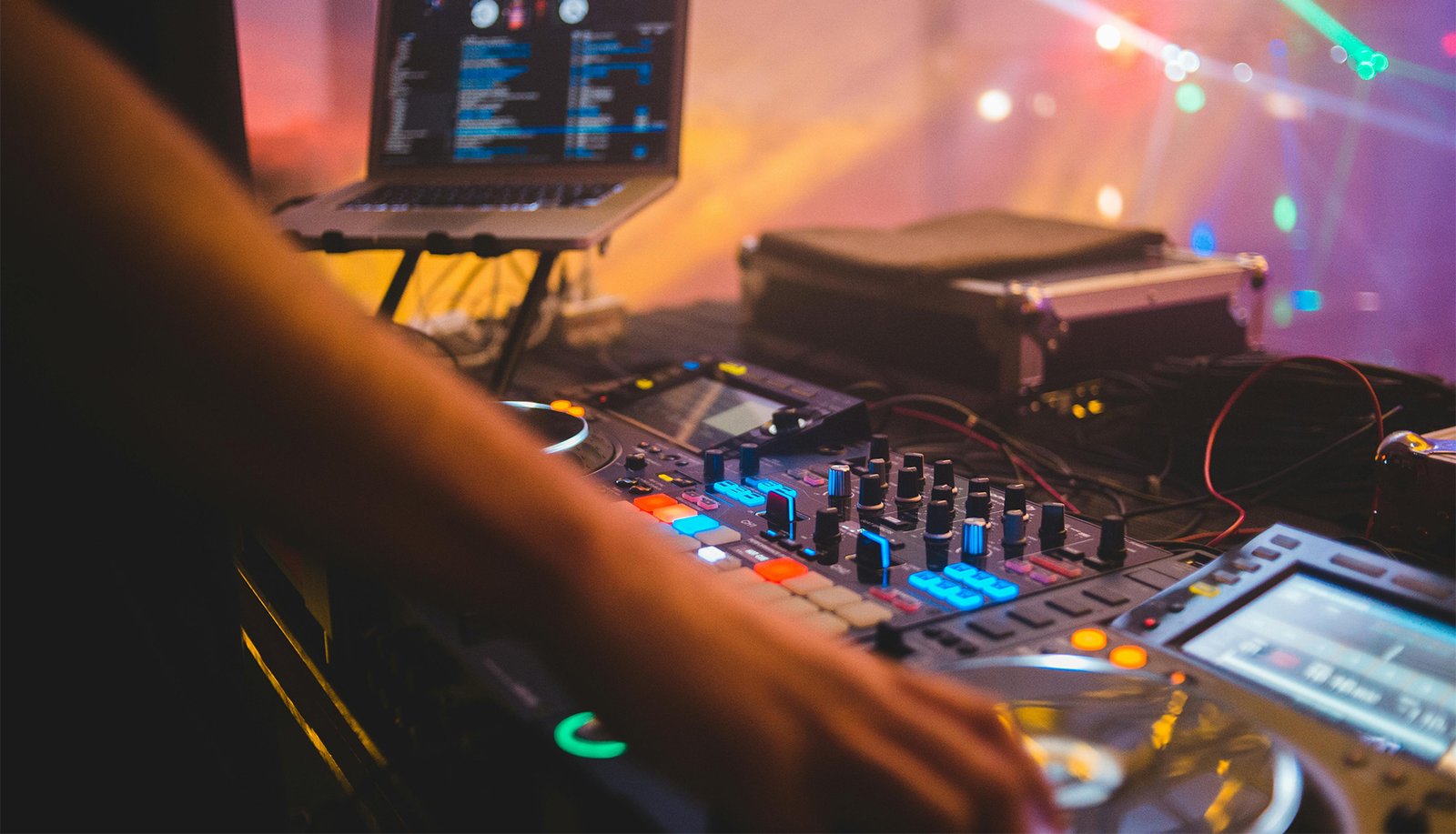
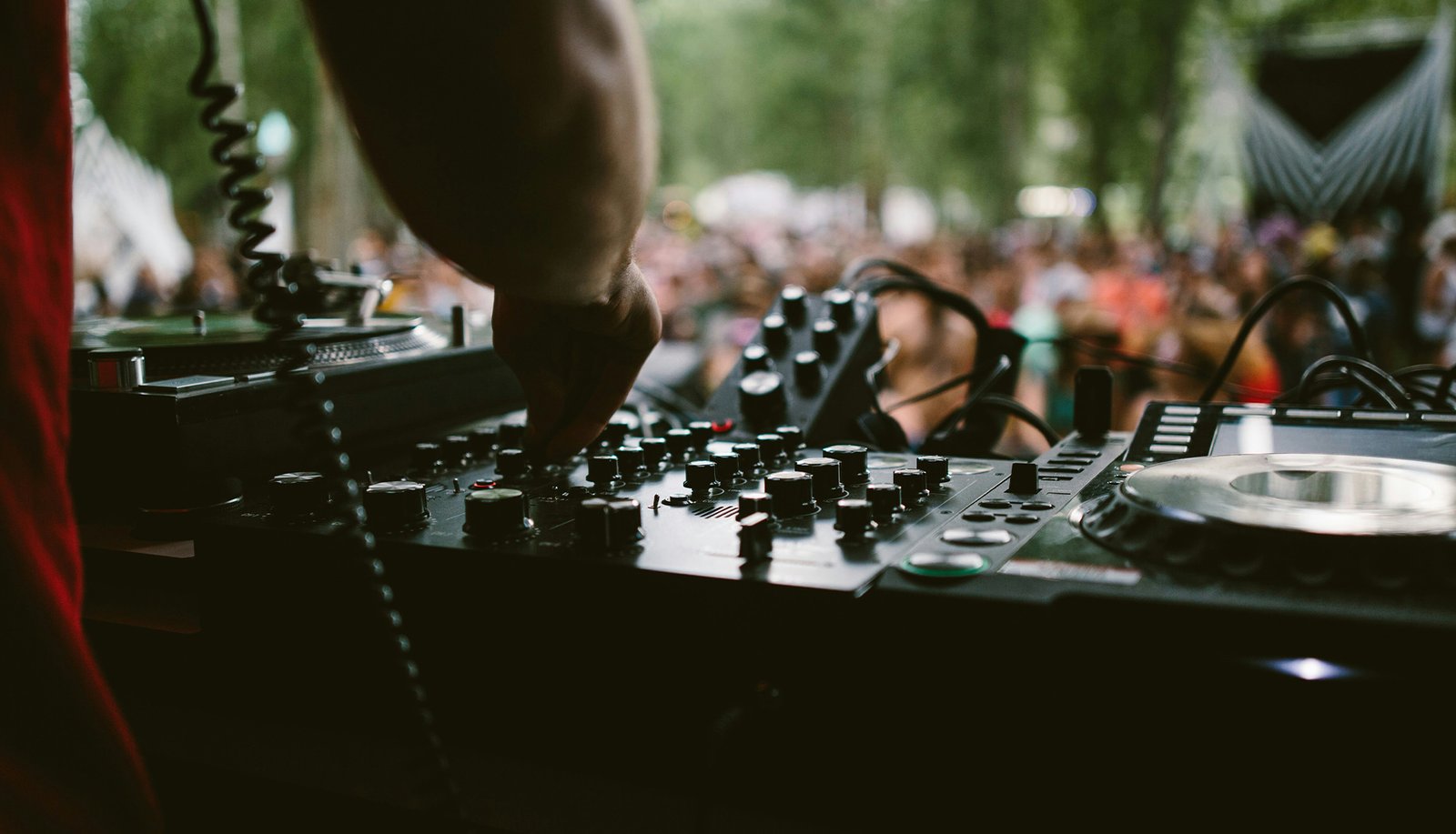
House music emerged in the early 1980s in Chicago, carving out a new path for dance music and transforming the nightlife scene. It all began in the clubs, where DJs like Frankie Knuckles and Larry Heard were key figures in shaping the sound of this revolutionary genre. Frankie Knuckles, often referred to as the “Godfather of House,” played a pivotal role in blending disco, soul, and electronic beats, creating a sound that was both infectious and groundbreaking. House music evolved from the remnants of disco, incorporating soulful vocals, driving basslines, and synthesized rhythms that brought a fresh and modern twist to dance floors. This unique sound captivated audiences and quickly spread throughout the city’s underground club scene, laying the groundwork for what would become a global musical movement.
House Music Culture
House music is more than just a genre; it’s a celebration of inclusivity, freedom, and unity, house music became a safe space for people of all identities to come together and express themselves without judgment. The Warehouse club in Chicago, where the genre got its name, was a legendary venue where this sense of belonging was palpable. It was a place where the music, the people, and the energy created an atmosphere of pure joy and acceptance. House music culture has always been about breaking down barriers and creating a community where everyone could dance to the same beat, regardless of their background. This spirit of inclusivity and celebration continues to define the essence of house music to this day.
Subgenres and Global Spread
As house music gained popularity, it evolved into a variety of subgenres that pushed the boundaries of the original sound. Deep house, with its smooth basslines and mellow vibes, tech house, blending the groove of house with the edginess of techno, and progressive house, known for its melodic builds and crescendos, are just a few of the offshoots that emerged from the house music scene. The genre’s infectious rhythm and universal appeal quickly took it beyond Chicago’s city limits, influencing music scenes across the globe. House music became a sensation in the UK, Ibiza, and many other parts of the world, fueling the rise of dance music culture. Iconic clubs like Ministry of Sound in London and Ibiza’s Pacha became hotspots for house music, spreading its influence far and wide.
The Modern House Scene
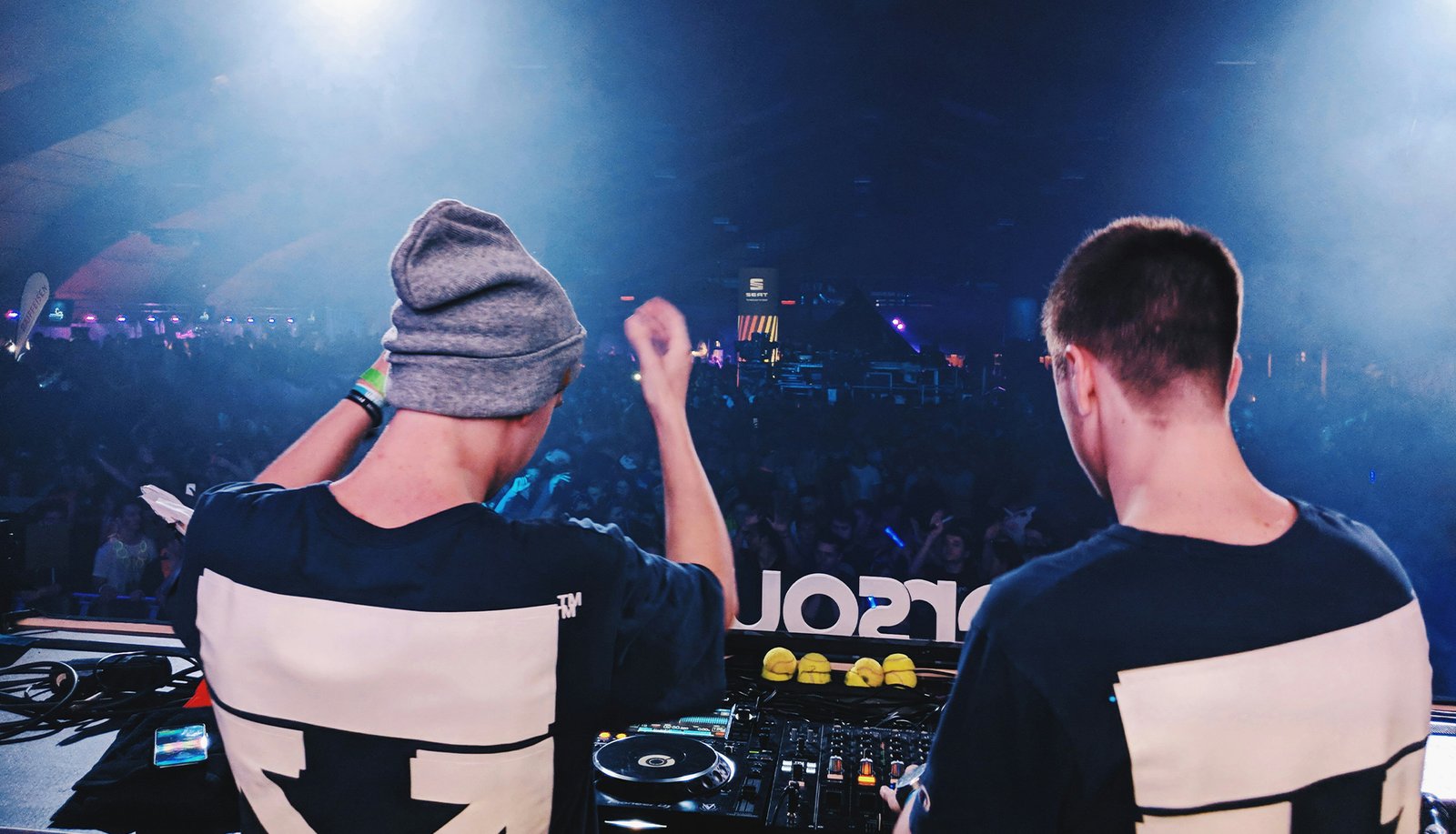
House music continues to thrive and evolve in today’s digital age, with new artists constantly bringing innovative sounds to the genre. The fusion of technology and creativity has led to an explosion of diverse tracks, from soulful house grooves to experimental beats that push the genre’s limits. Major festivals like Defected Croatia celebrate house music’s legacy while shining a spotlight on both established and emerging artists who are shaping its future. Record labels play a crucial role in promoting this evolution, with platforms like Defected Records and Toolroom Records driving the genre forward and reaching audiences around the world. House music’s enduring appeal lies in its ability to adapt and reinvent itself, all while staying true to its core values of unity, joy, and the love of dance.
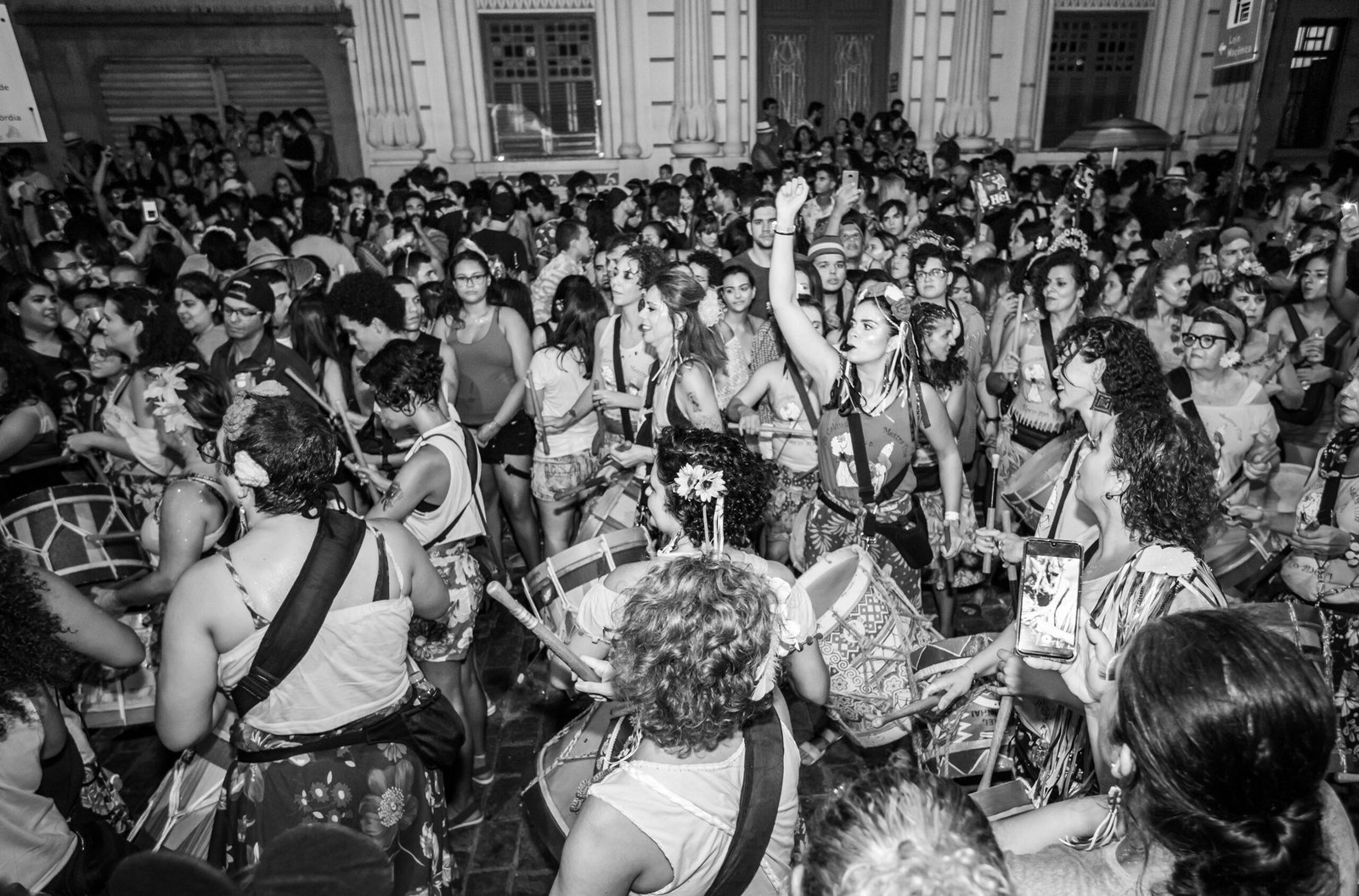
From its humble beginnings in the dance clubs of Chicago to its status as a global powerhouse in electronic music, house music has always been about connection, creativity, and community. Its rhythms continue to bring people together on dance floors across the world, proving that house is more than just music—it’s a movement that transcends time and space.
The Birth of House Music House music emerged in the early 1980s in Chicago, carving out a new path for dance music and transforming the nightlife scene. It all began in the clubs, where DJs like Frankie Knuckles and Larry […]
House Music: From Chicago to the World
The Birth of House Music House music emerged in the early 1980s in Chicago, carving out a new path for dance music and transforming the nightlife scene. It all began in the clubs, where DJs like Frankie Knuckles and Larry Heard
