







Introduction
Techno music was born in the heart of Detroit in the early 1980s, a period marked by economic decline and social unrest in the once-thriving industrial city. As factories closed and the city faced hardship, a group of visionary young African American musicians sought solace in electronic sound, laying the foundation for what would become one of the most influential genres in the world. Pioneering artists like Juan Atkins, Derrick May, and Kevin Saunderson—collectively known as the “Belleville Three”—were at the forefront of this movement. They combined elements of funk, soul, and European electronic music to create a new, futuristic sound that spoke to the struggles and hopes of their generation. This sound, later dubbed “techno,” was not just music; it was a response to the social and economic challenges of the time, offering a creative outlet and a way to envision a new future.
The Underground Movement
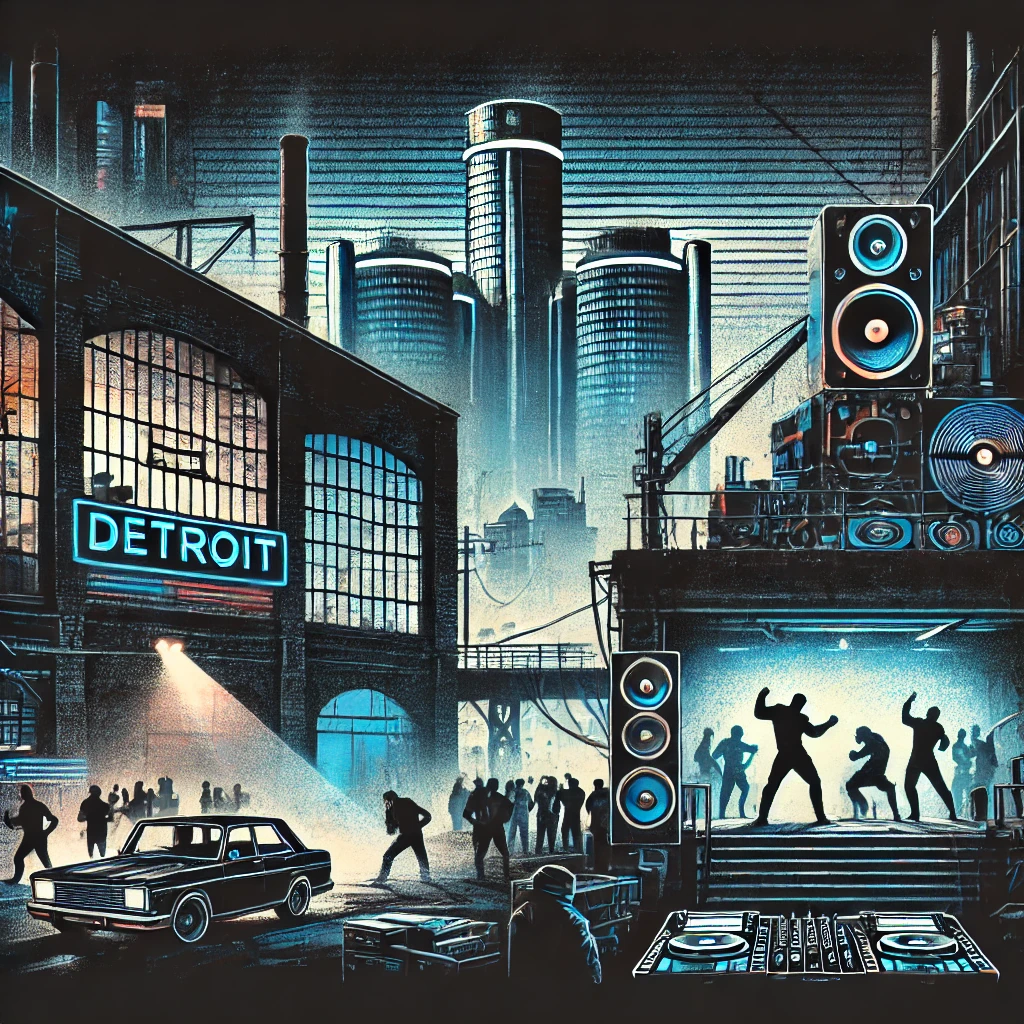
The rise of techno music in Detroit was driven by a vibrant underground scene that flourished in the city’s abandoned warehouses and gritty nightclubs. These venues became the breeding grounds for techno, where the DIY ethos of the music took root. With little support from mainstream radio or the music industry, techno artists and fans carved out their own spaces for expression. The raw, industrial sound of techno was a reflection of the city’s landscape—its empty factories, broken infrastructure, and the relentless hum of machinery that once powered Detroit.
Underground clubs and raves became central to the spread of techno, fostering a community that embraced freedom, experimentation, and innovation. It was in these dark, pulsating spaces that the techno sound developed, driven by a desire to create something new and rebellious. The influence of Detroit’s industrial environment is evident in the music’s mechanical beats, hypnotic rhythms, and minimalist structure. The underground movement was—and still is—essential to the identity of techno, and it is through these spaces that the genre continues to evolve and thrive.
Global Influence
Techno didn’t stay confined to Detroit for long. As the genre gained popularity, it spread across the globe, influencing electronic music scenes in major cities like Berlin, Amsterdam, and London. In the late 1980s and early 1990s, European audiences embraced techno, and it quickly became a sensation in underground scenes across the continent. Berlin, in particular, became a second home for techno, with the city’s post-reunification club culture creating fertile ground for the genre to flourish. Detroit techno artists like Jeff Mills and Underground Resistance became international stars, representing the raw power and innovative spirit of their city on a global stage.
The global reach of techno is evident in the rise of major festivals like Movement Detroit, which celebrates the city’s contribution to electronic music each year, as well as events in Europe like Amsterdam Dance Event (ADE) and Berlin’s Tresor club. The genre has also splintered into numerous subgenres, such as minimal techno, acid techno, and tech house, each bringing its own variation of the original Detroit sound. Despite these evolutions, the heartbeat of Detroit continues to pulse through the global techno scene, with the city’s influence remaining a vital part of its DNA.
The Techno Philosophy
At its core, techno is more than just a genre—it is a philosophy and a cultural movement that embraces innovation, futurism, and inclusivity. From its inception, techno has been a voice for marginalized communities, particularly in Detroit, where African American artists shaped the genre despite facing social and economic barriers. The genre’s focus on technology and the future reflects a desire to imagine new possibilities, both musically and socially.
Techno is also a form of resistance against mainstream culture. Its underground roots, DIY ethic, and rejection of commercial norms have made it a symbol of counterculture. For many, techno represents freedom—freedom to experiment, to create, and to connect with others in an inclusive, non-judgmental space. The genre’s futuristic aesthetic and minimalism embody a utopian vision of music and society, one that looks beyond the constraints of the present and toward a more inclusive and innovative future.
In this way, techno has become a global language of resistance and expression, uniting people from diverse backgrounds and giving voice to those who feel alienated by mainstream culture. Whether in the warehouses of Detroit or the clubs of Berlin, the techno community remains a powerful force for creativity, change, and unity.
Conclusion
Techno’s journey from the industrial ruins of Detroit to global prominence is a testament to the power of music as a tool for expression, innovation, and resistance. What began as an underground movement in a city struggling with economic decline has grown into a global phenomenon, influencing countless artists, genres, and cultures along the way. Yet, at its core, techno remains rooted in the spirit of Detroit—a genre born from adversity, fueled by creativity, and always looking toward the future.
The Heartbeat of Detroit
Introduction Techno music was born in the heart of Detroit in the early 1980s, a period marked by economic decline and social unrest in the once-thriving industrial city. As factories closed and the city faced hardship, a group of visionary young

Rave Talk: Behind the Beats
Rave Talk is our exclusive podcast where we dive deep into the world of electronic music and rave culture. Each episode, we invite DJs, producers, sound engineers, and other industry professionals to share their personal journeys, insights, and challenges. From
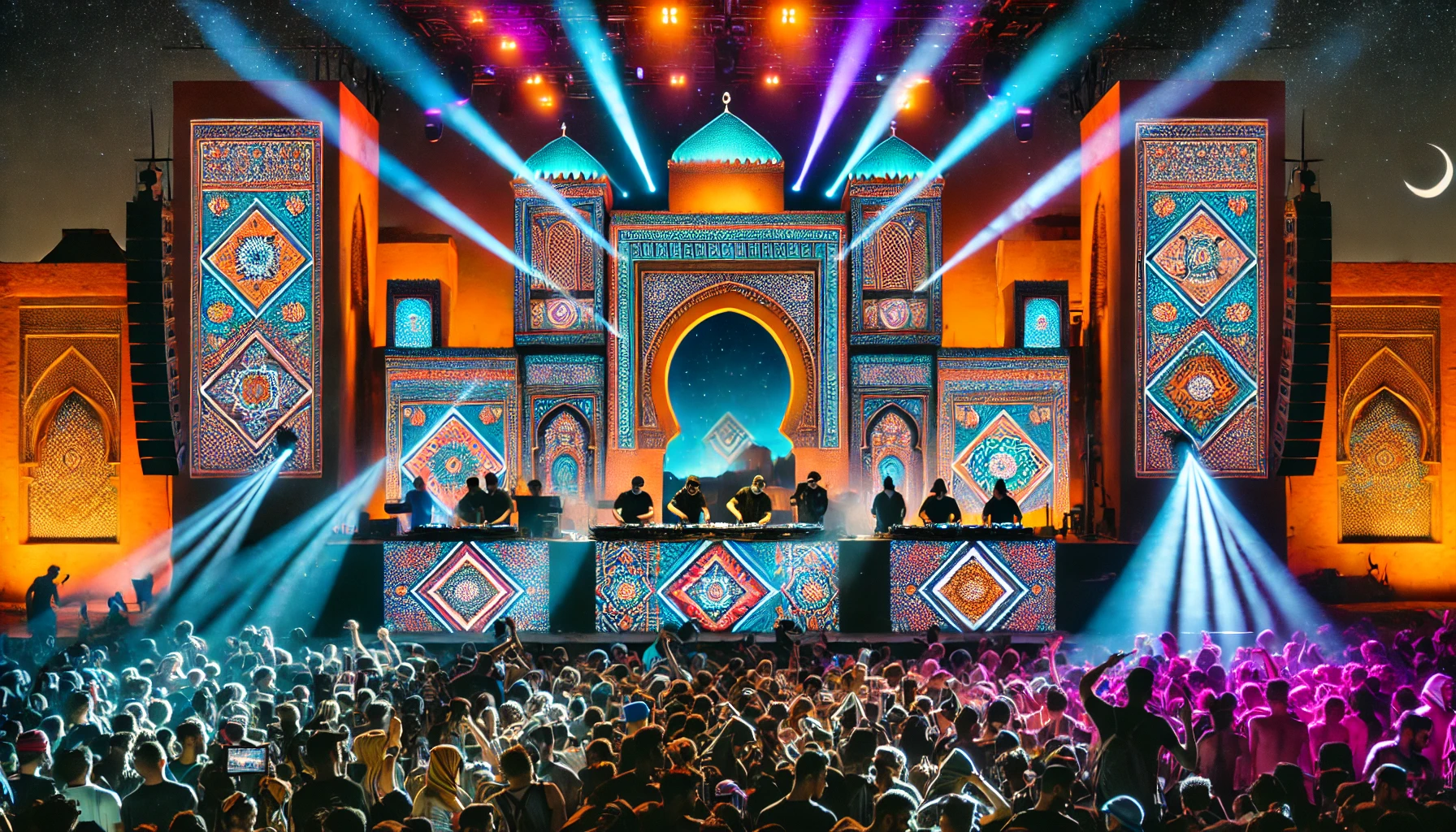
The Evolution of House Music in Morocco
Origins and Early Influences The history of house music in Morocco is a fascinating journey that blends local cultural elements with global musical trends. While house music originated in Chicago in the 1980s, it gradually made its way to Morocco, where
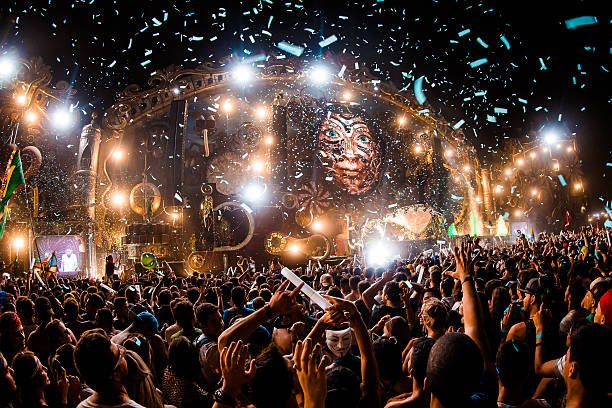
Trance: The Uplifting Sound of Euphoria
Origins and Evolution Trance music emerged in the early 1990s in Germany, evolving from the sounds of techno and house to create a new, melodic form of electronic dance music. It was characterized by its repetitive rhythms, layered melodies, and hypnotic
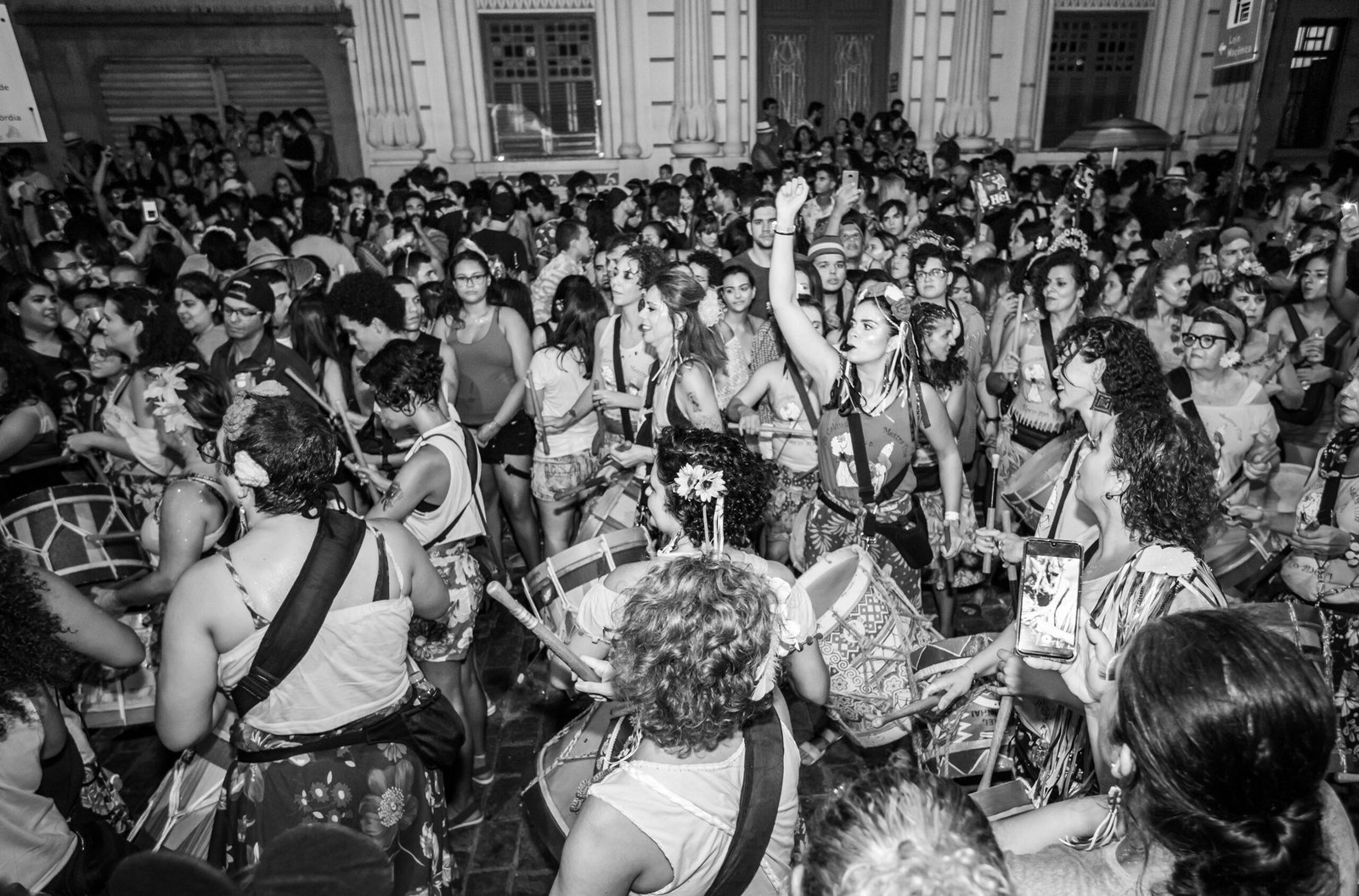
House Music: From Chicago to the World
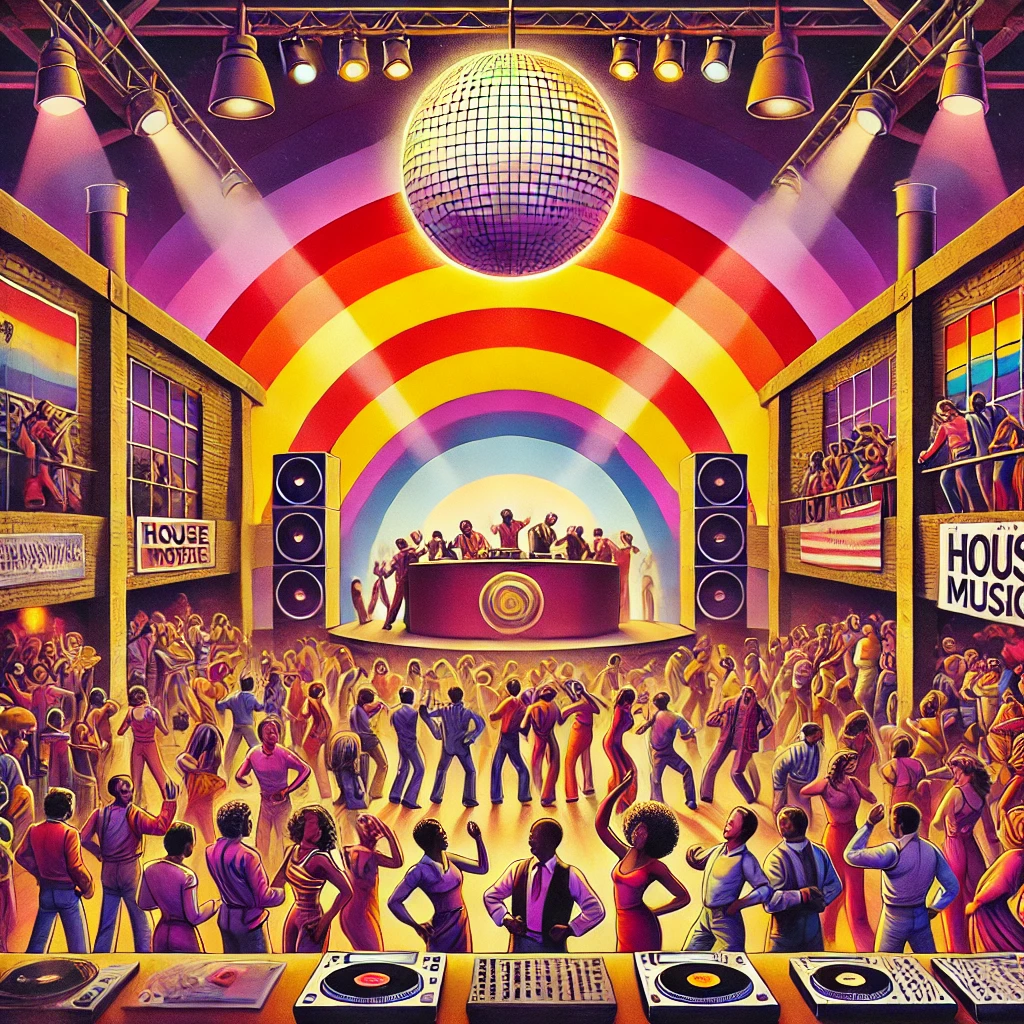
The Birth of House Music House music emerged in the early 1980s in Chicago, carving out a new path for dance music and transforming the nightlife scene. It all began in the clubs, where DJs like Frankie Knuckles and Larry Heard