




Trance: The Uplifting Sound of Euphoria
Origins and Evolution
Trance music emerged in the early 1990s in Germany, evolving from the sounds of techno and house to create a new, melodic form of electronic dance music. It was characterized by its repetitive rhythms, layered melodies, and hypnotic beats that seemed to transport listeners to another realm. The genre quickly gained popularity thanks to influential artists like Paul van Dyk, Armin van Buuren, and Tiësto, who were instrumental in shaping its early sound and pushing it to international prominence. These pioneers brought trance music to life with their signature uplifting and emotional tracks, creating a genre that was as much about feeling as it was about sound. Their music captured the hearts of millions, setting the stage for trance to become a leading force in the global electronic music scene.
The Culture of Trance
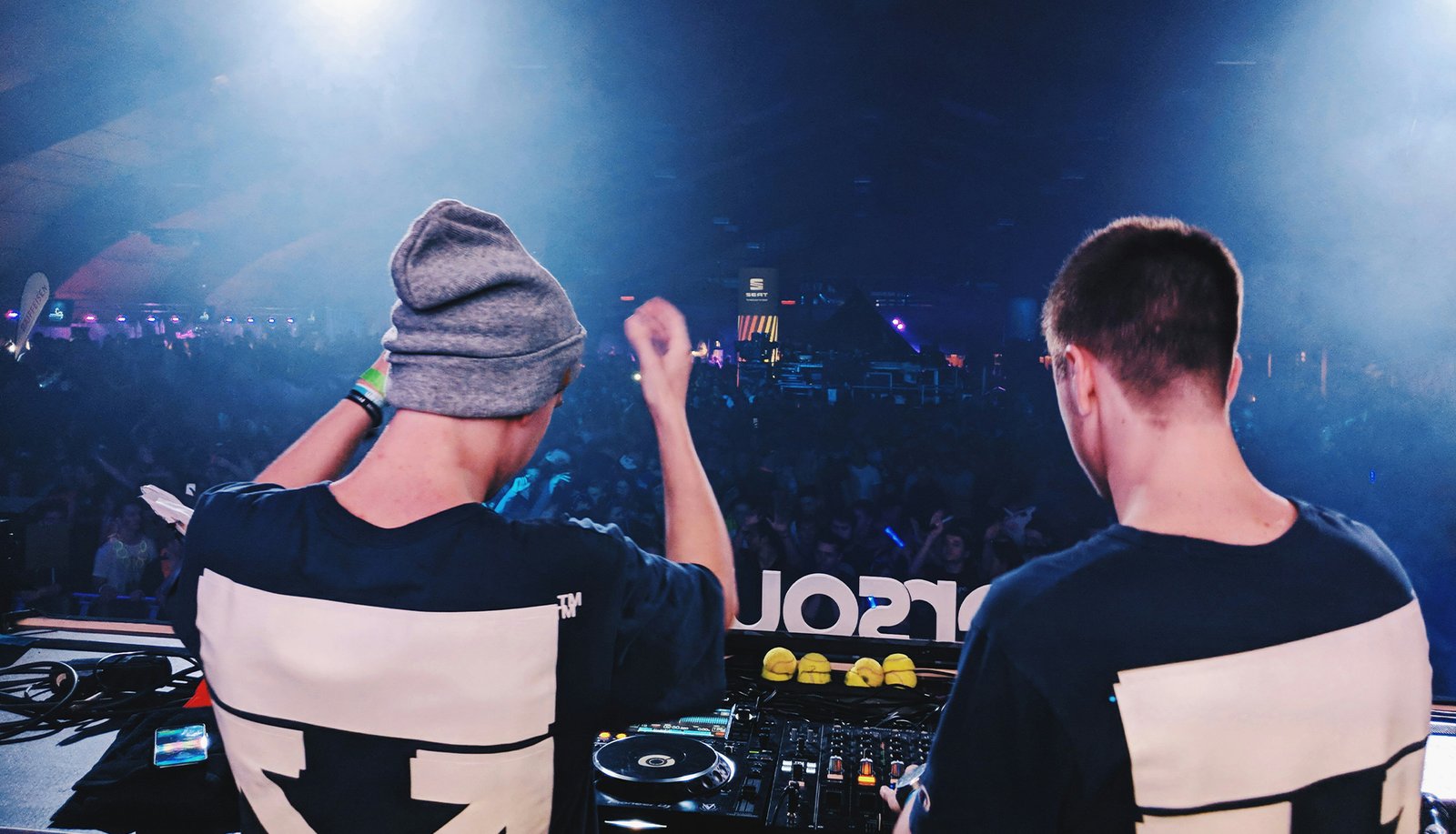
What sets trance music apart from other electronic genres is its deep spiritual and emotional connection with its listeners. At its core, trance aims to create a sense of euphoria and transcendence, often described as a “trance state.” This concept involves a deep, almost meditative connection to the music, where listeners lose themselves in the rhythm and melodies, reaching a heightened emotional state. The music is designed to evoke feelings of joy, unity, and an intense sense of belonging, creating a powerful bond between the DJ and the audience. Trance culture is all about inclusivity and the shared experience of emotional release, making it a genre that resonates deeply with those seeking a musical journey beyond the ordinary.
Major Events and Festivals
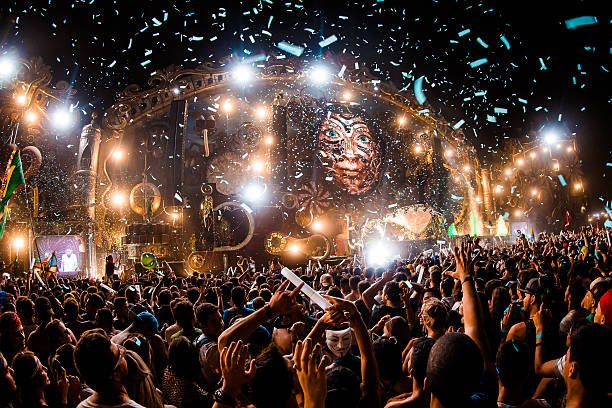
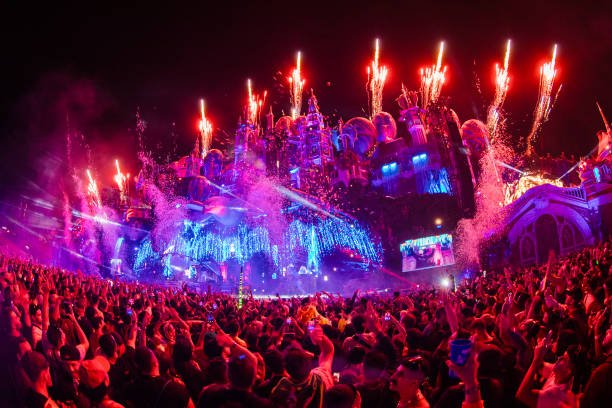
Trance music’s spirit truly comes alive in its festivals and events, which have become some of the most celebrated gatherings in the electronic music world. Events like A State of Trance (ASOT), created by Armin van Buuren, have grown into global phenomena, drawing fans from every corner of the globe to experience the uplifting energy of trance. Tomorrowland, one of the largest and most iconic electronic music festivals, also features trance stages that captivate massive audiences with their powerful performances and breathtaking visuals. These festivals are more than just music events—they’re immersive experiences that create a sense of unity, joy, and connection among trance enthusiasts. The lights, the energy, and the shared passion for music at these events elevate them to something almost spiritual.
Trance Today
Trance music continues to evolve in the modern era, adapting to new trends while staying true to its uplifting and emotional roots. Subgenres like uplifting trance, psytrance, and progressive trance have gained significant popularity, each bringing its own unique flavor to the genre. The rise of digital platforms, online radio shows, and live streams has played a crucial role in keeping the trance community connected worldwide. Platforms like Armin van Buuren’s ASOT radio show and live-streamed DJ sets on platforms like Twitch and YouTube allow fans to experience trance music from anywhere in the world. These digital spaces have become virtual gathering places for trance lovers, keeping the genre’s spirit alive and expanding its reach to new audiences.
Trance music has come a long way since its beginnings in Germany, but its essence remains the same—a genre that uplifts, unites, and inspires. From the grand stages of global festivals to intimate online communities, trance continues to be a beacon of euphoria and emotional connection for music lovers everywhere.


